Angiography
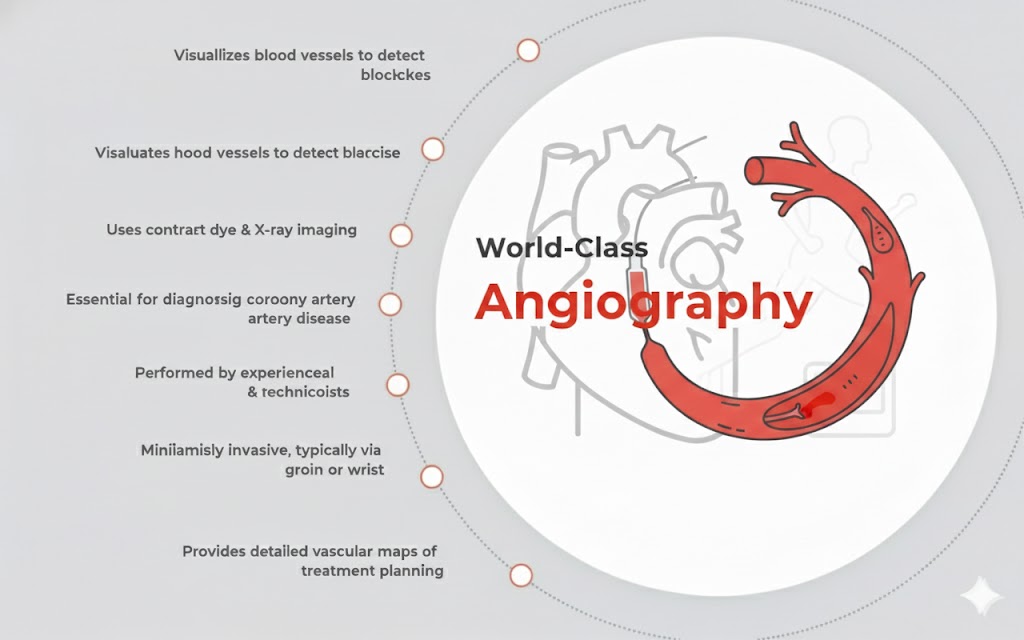
Angiography is a diagnostic imaging procedure used to visualize blood vessels and detect blockages or abnormalities. It involves injecting a contrast dye into the bloodstream and taking X-ray images t...
Angiography is a diagnostic imaging procedure used to visualize blood vessels and detect blockages or abnormalities. It involves injecting a contrast dye into the bloodstream and taking X-ray images to clearly show how blood flows through arteries and veins. Angiography helps doctors diagnose conditions such as coronary artery disease, aneurysms, or vascular malformations and guides treatment decisions.

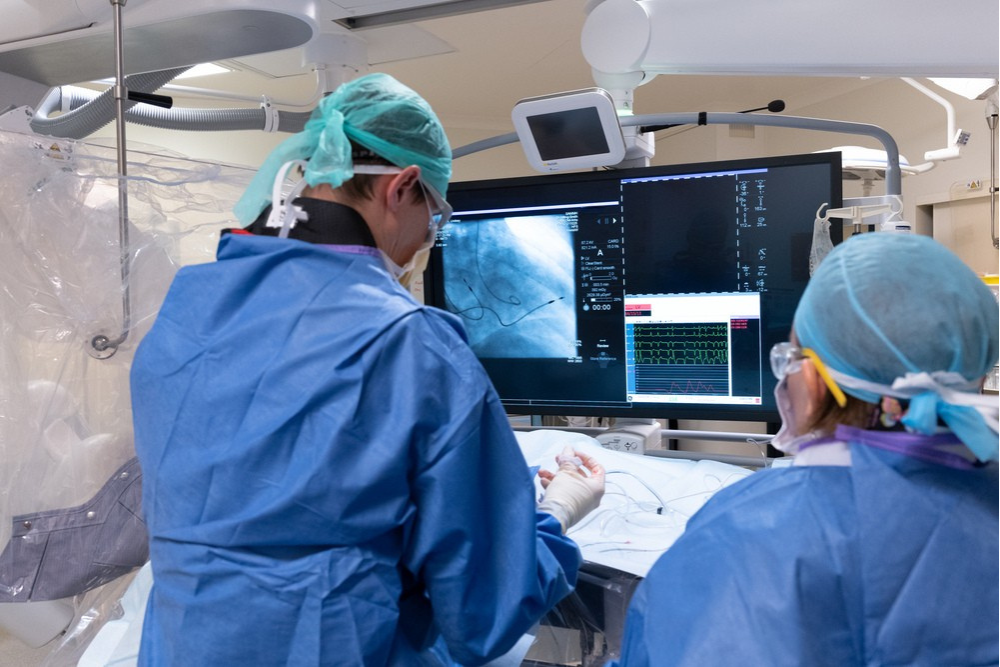
An angiography team is a specialized group of healthcare professionals who perform imaging procedures to visualize blood vessels and assess blockages or abnormalities. The team typically includes inte
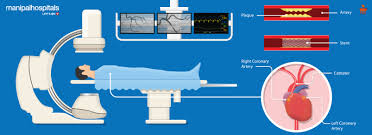
Lifestyle changes: Diet, exercise, quitting smoking. Medications: Statins, antiplatelet drugs (e.g., aspirin), beta-blockers. Procedures: Angioplasty with stent placement or coronary artery bypass surgery (CABG).
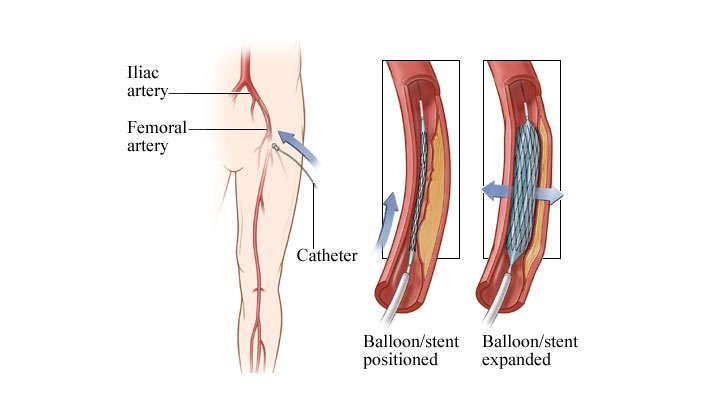
Lifestyle changes: Exercise therapy, smoking cessation. Medications: Antiplatelet drugs, cholesterol-lowering drugs. Procedures: Angioplasty, stenting, or bypass surgery to restore blood flow.
Monitoring: Small, asymptomatic aneurysms may be monitored with imaging. Surgical repair: Open surgery or endovascular coiling/stent-grafting to prevent rupture.
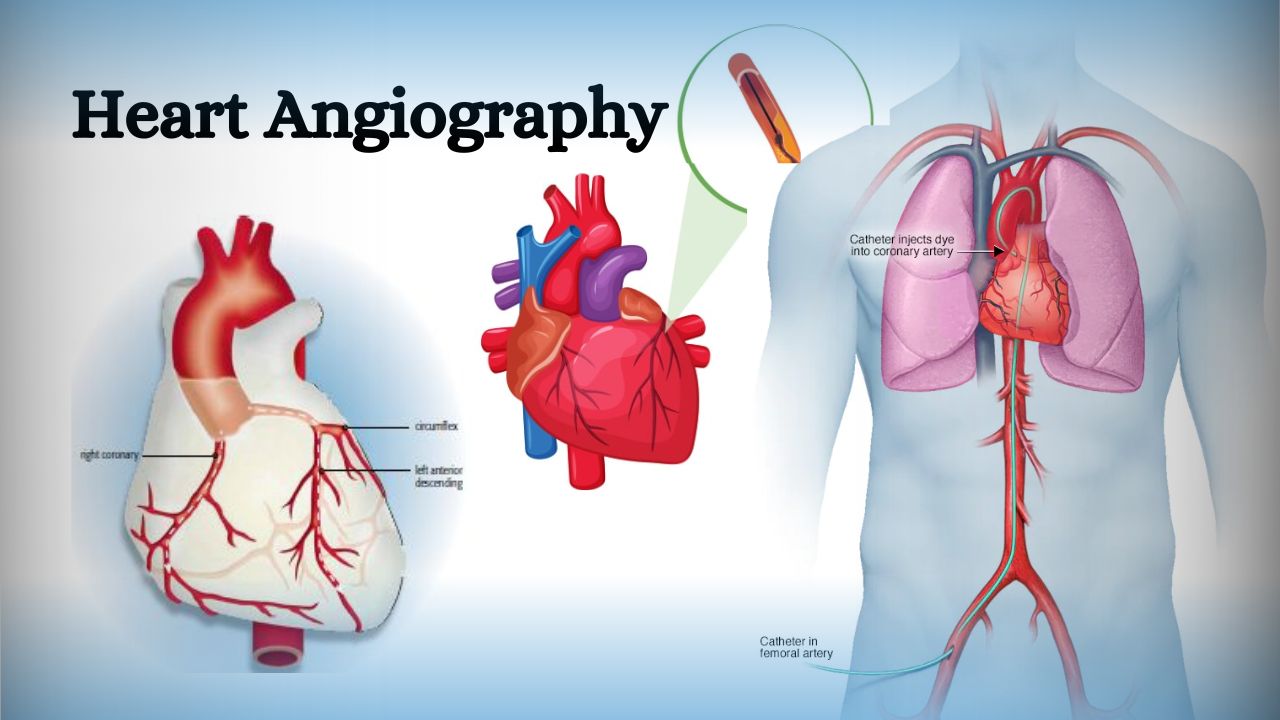
Narrowing or blockage of the coronary arteries supplying blood to the heart, often due to atherosclerosis.
Narrowing of arteries in the limbs, usually the legs, leading to pain, ulcers, or poor circulation.
Abnormal bulging or ballooning of a blood vessel wall that can rupture and cause life-threatening bleeding.





श्री टी.एन. झा

श्री अशोक सिंह

Grandmother

Mr. Maharaj Singh

Mr. P Sharma

Mr. Sudhir Gupta

Mr. M.J. Rehman
श्री टी.एन. झा
श्री अशोक सिंह
Grandmother
Mr. Maharaj Singh
Mr. P Sharma
Mr. Sudhir Gupta
Mr. M.J. Rehman
Angiography is a diagnostic imaging procedure used to visualize blood vessels and detect blockages or abnormalities. It involves injecting a contrast dye into the bloodstream and taking X-ray images to clearly show how blood flows through arteries and veins. Angiography helps doctors diagnose condit
Angiography is a diagnostic imaging procedure used to visualize blood vessels and detect blockages or abnormalities. It involves injecting a contrast dye into the bloodstream and taking X-ray images to clearly show how blood flows through arteries and veins. Angiography helps doctors diagnose conditions such as coronary artery disease, aneurysms, or vascular malformations and guides treatment decisions.