Cardiac Care
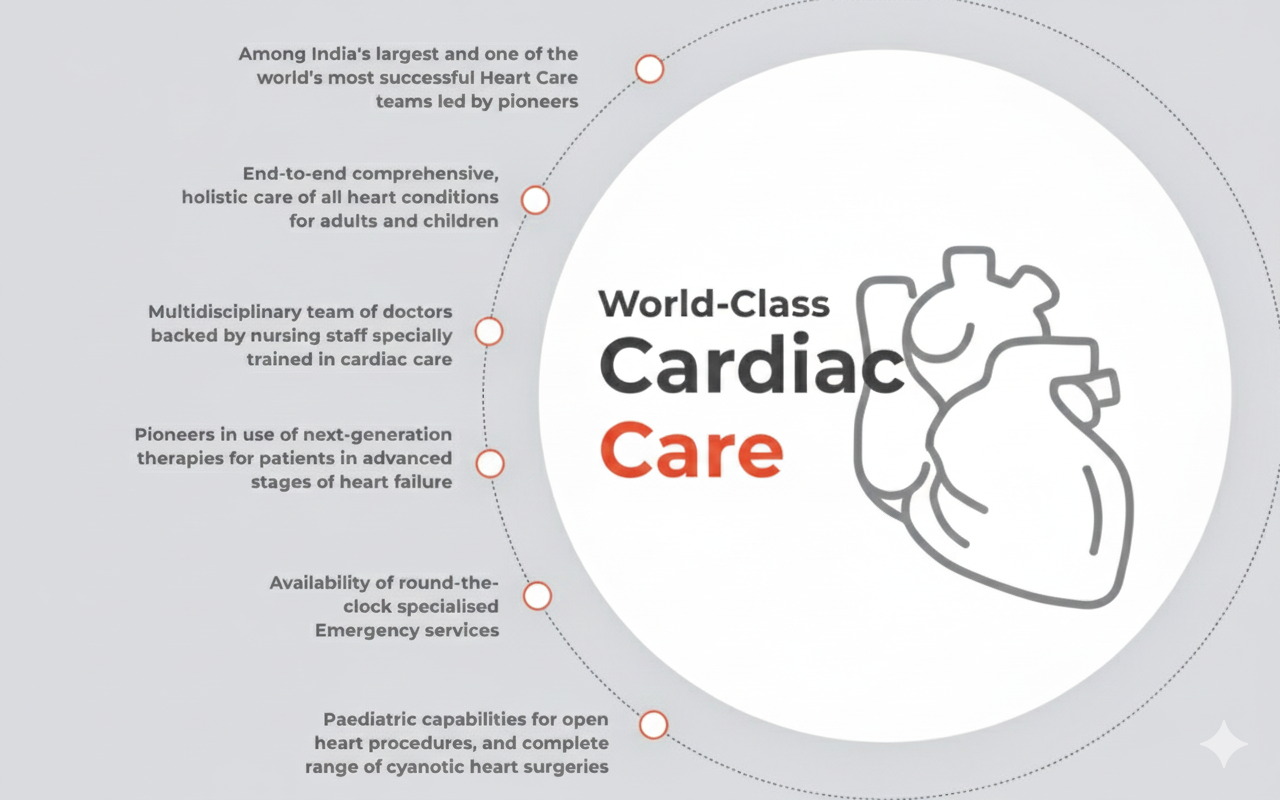
Cardiac care focuses on the prevention, diagnosis, and treatment of heart-related conditions. It involves monitoring heart health, managing risk factors like high blood pressure and cholesterol, and p...
Cardiac care focuses on the prevention, diagnosis, and treatment of heart-related conditions. It involves monitoring heart health, managing risk factors like high blood pressure and cholesterol, and providing interventions such as medications, lifestyle guidance, or procedures like angioplasty and bypass surgery. The goal is to maintain heart function, prevent complications, and improve overall cardiovascular health.


A cardiac team is a group of healthcare professionals who work together to diagnose, treat, and manage heart conditions. It typically includes cardiologists, cardiac surgeons, nurses, technicians, and

TAVI is a surgical procedure performed to replace a blocked or narrowed aortic valve in people who are at greater risk or too sick for open heart surgery. The TAVR(TAVI) procedure involves the implantation of aortic valve without even eliminating the old, damaged valve with the help of a catheter.

Peripheral angioplasty is a minimally invasive procedure used to widen narrowed or blocked arteries in the peripheral vascular system. A stent is placed to help keep the artery open. This approach aims to alleviate symptoms such as leg pain or cramping caused by reduced blood flow and can also reduce the risk of more serious complications, such as peripheral artery disease.
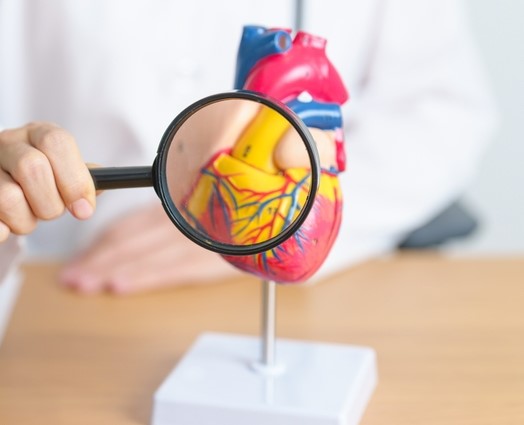
CABG is a surgical procedure that is used to treat coronary artery disease (CAD). During the procedure, the doctor surgically connects a healthy blood vessel from your leg, arm or chest to the heart and creates a new pathway around the blocked or the partially blocked artery to restore blood flow.
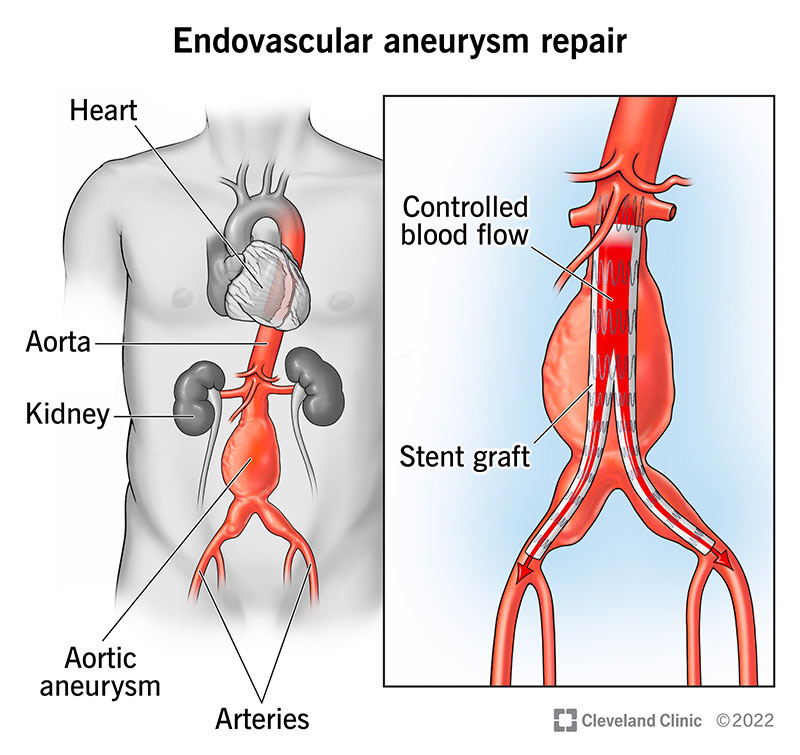
Aneurysm repair is a medical procedure to treat a weakened or bulging section of a blood vessel, usually an artery, to prevent rupture. It can be performed through open surgery or a minimally invasive endovascular approach, where a stent or graft is placed to reinforce the vessel and restore normal blood flow.
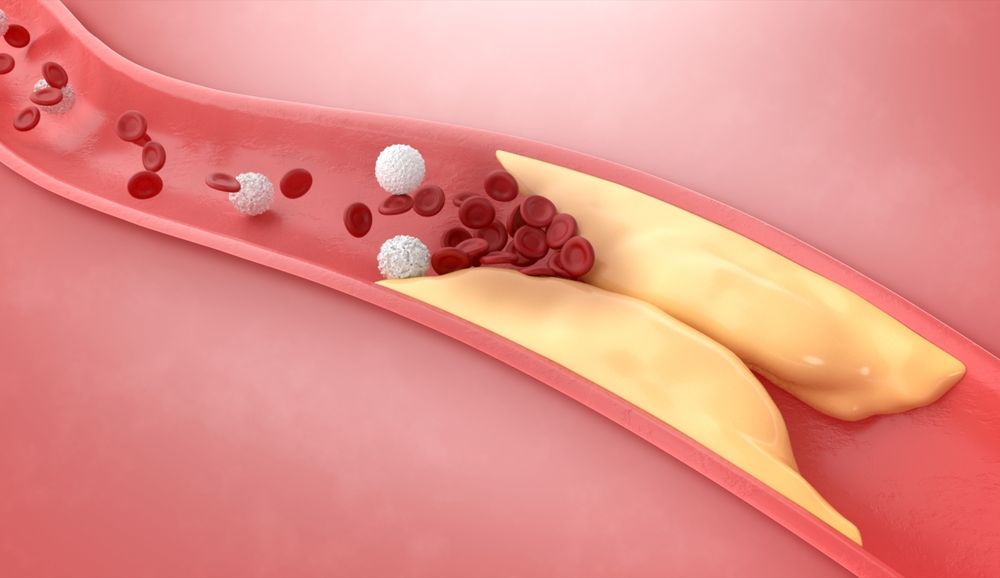
Coronary artery disease (CAD) is a common cardiovascular condition characterized by the narrowing or blockage of the coronary arteries, which supply blood and oxygen to the heart muscle. It can lead to various complications, such as angina (chest pain), heart attack, or heart failure. Lifestyle modifications, medications, and medical procedures like angioplasty or bypass surgery are often used to manage CAD. It is important to consult with a healthcare professional for accurate diagnosis and personalized treatment options.

Rheumatic Heart Disease affects the heart valves, causing them to become damaged or scarred. This can lead to problems with blood flow and potentially result in heart failure or other complications. It is essential to accurately understand and communicate information about medical conditions.
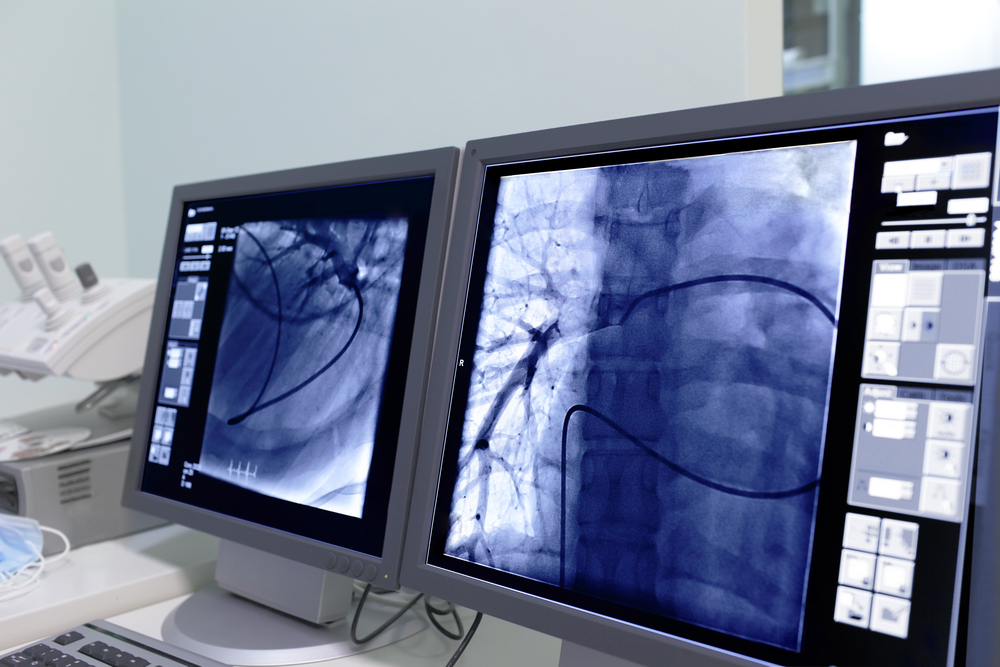
Heart failure is a long-term yet quite dangerous situation where your heart starts to malfunction. While there is a specific requirement of blood for your body, in a condition of heart failure, enough blood is not pumped to meet the body's needs. Depending upon the intensity of failure, light, and severe conditions impact the body.
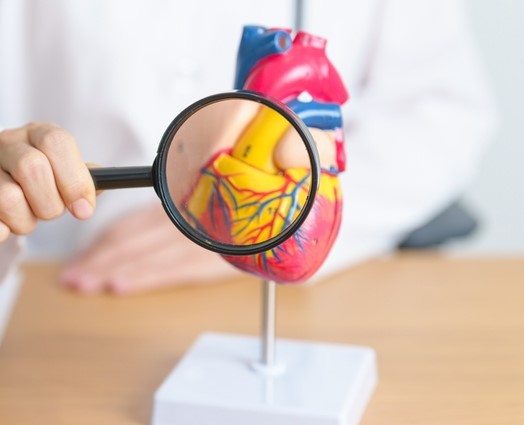
High Blood Pressure is commonly known as Hypertension. It is the pressure exerted by blood against the walls of the blood vessels. In this condition, the blood pressure is higher than 140 over 90mmHg.




श्री टी.एन. झा

श्री अशोक सिंह

Grandmother

Mr. Maharaj Singh

Mr. P Sharma

Mr. Sudhir Gupta

Mr. M.J. Rehman
श्री टी.एन. झा
श्री अशोक सिंह
Grandmother
Mr. Maharaj Singh
Mr. P Sharma
Mr. Sudhir Gupta
Mr. M.J. Rehman
Cardiac care focuses on the prevention, diagnosis, and treatment of heart-related conditions. It involves monitoring heart health, managing risk factors like high blood pressure and cholesterol, and providing interventions such as medications, lifestyle guidance, or procedures like angioplasty and b
Cardiac care focuses on the prevention, diagnosis, and treatment of heart-related conditions. It involves monitoring heart health, managing risk factors like high blood pressure and cholesterol, and providing interventions such as medications, lifestyle guidance, or procedures like angioplasty and bypass surgery. The goal is to maintain heart function, prevent complications, and improve overall cardiovascular health.