Pacemaker Check
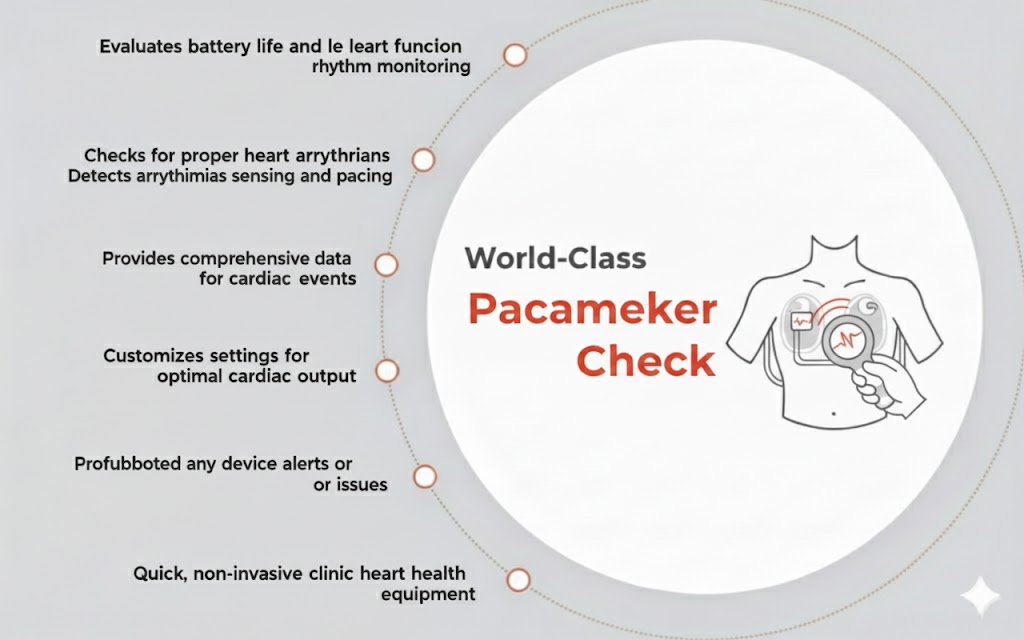
A pacemaker check is a routine evaluation to ensure the pacemaker is functioning properly. It reviews battery life, device settings, and how well the pacemaker is supporting your heart rhythm, allowin...
A pacemaker check is a routine evaluation to ensure the pacemaker is functioning properly. It reviews battery life, device settings, and how well the pacemaker is supporting your heart rhythm, allowing adjustments if needed.


A pacemaker check team is a group of healthcare professionals who monitor and evaluate the function of a patient’s pacemaker. The team typically includes cardiologists or electrophysiologists who inte
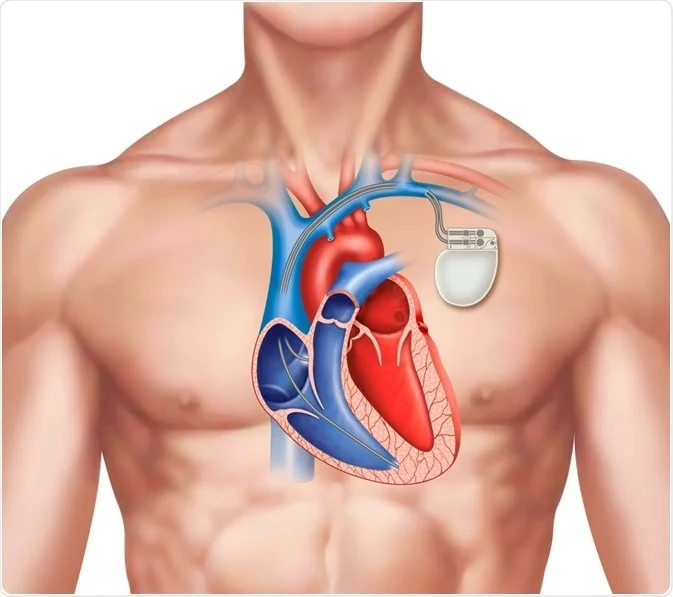
Pacemaker implantation: Ensures the heart maintains an adequate rate. Medication review: Adjust or stop drugs that may worsen bradycardia. Lifestyle: Regular follow-up and symptom monitoring
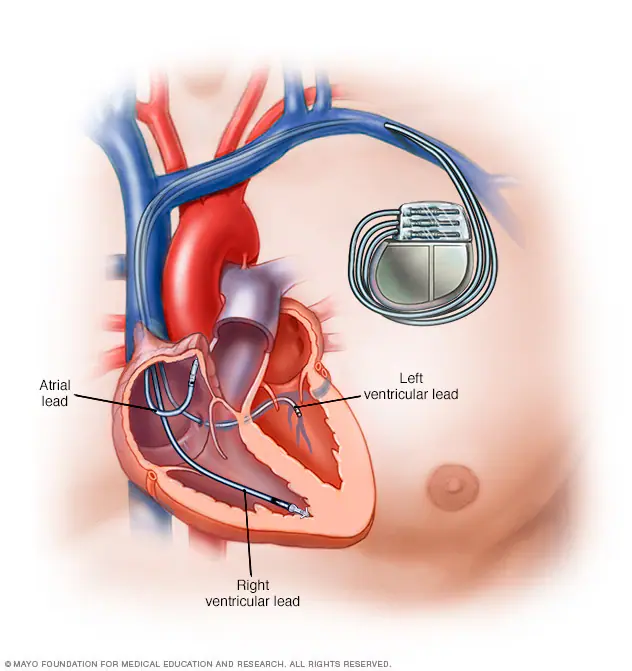
Pacemaker implantation: Restores proper conduction and heart rhythm. Medications: Address underlying causes (e.g., treat heart attack, manage electrolyte imbalance). Monitoring: Regular pacemaker checks to ensure proper pacing.
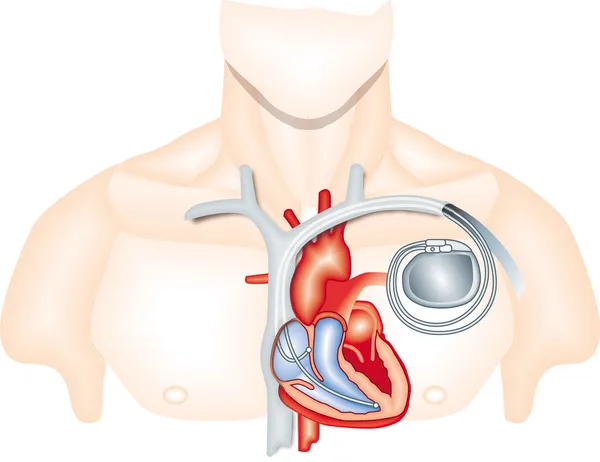
Pacemaker implantation: Maintains stable heart rate during bradycardic episodes. Medications: Treat associated arrhythmias (like tachycardia) if needed. Lifestyle: Avoid triggers, regular follow-up, and device checks.
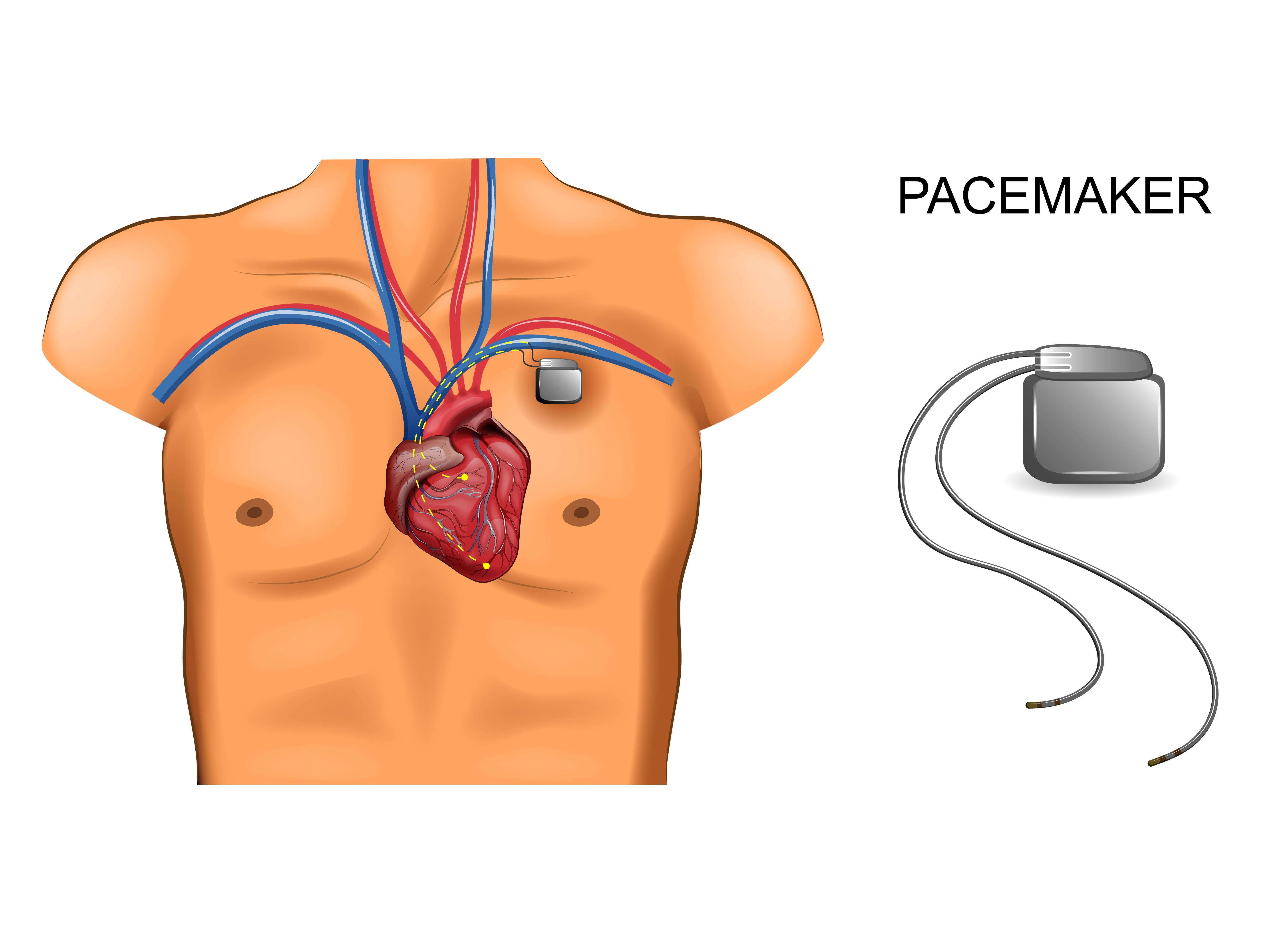
Heart beats too slowly, which can cause fatigue, dizziness, or fainting.
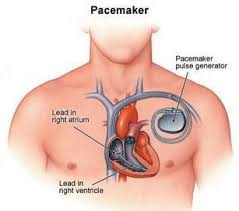
Electrical signals from the atria to the ventricles are delayed or blocked, leading to missed beats or very slow heart rates
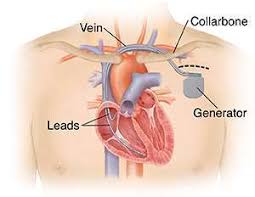
Dysfunction of the sinoatrial (SA) node causing alternating bradycardia, pauses, or sometimes rapid heart rates





श्री टी.एन. झा

श्री अशोक सिंह

Grandmother

Mr. Maharaj Singh

Mr. P Sharma

Mr. Sudhir Gupta

Mr. M.J. Rehman
श्री टी.एन. झा
श्री अशोक सिंह
Grandmother
Mr. Maharaj Singh
Mr. P Sharma
Mr. Sudhir Gupta
Mr. M.J. Rehman
A pacemaker check is a routine evaluation to ensure the pacemaker is functioning properly. It reviews battery life, device settings, and how well the pacemaker is supporting your heart rhythm, allowing adjustments if needed.
A pacemaker check is a routine evaluation to ensure the pacemaker is functioning properly. It reviews battery life, device settings, and how well the pacemaker is supporting your heart rhythm, allowing adjustments if needed.