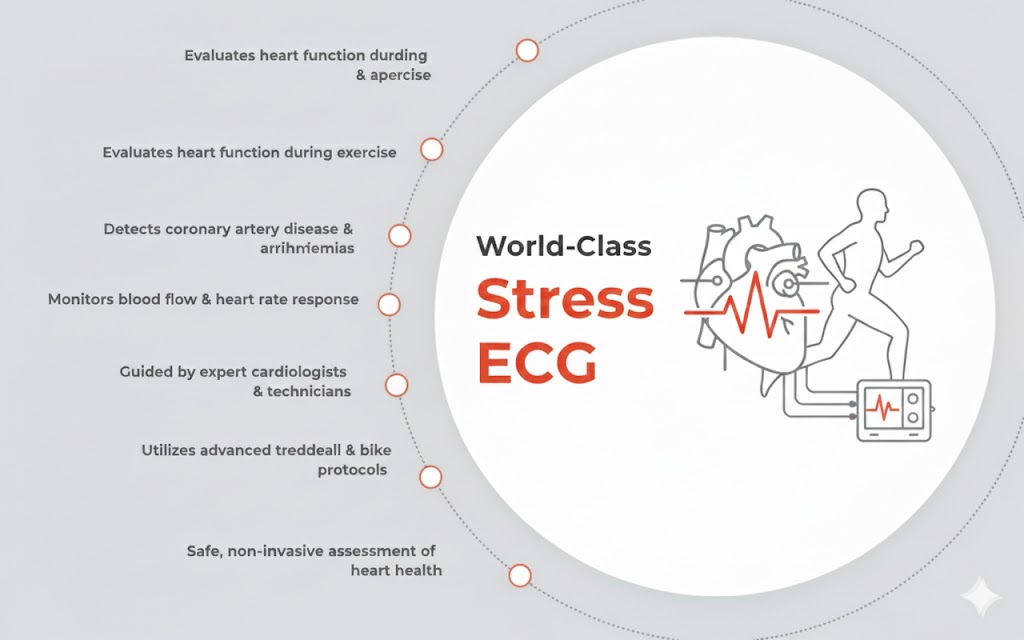
Stress ECG
An echocardiogram is a non-invasive ultrasound test that uses sound waves to create images of the heart. It helps assess heart structure, function, and blood flow, detecting issues like valve problems...
An echocardiogram is a non-invasive ultrasound test that uses sound waves to create images of the heart. It helps assess heart structure, function, and blood flow, detecting issues like valve problems, heart chamber enlargement, and heart muscle weakness.

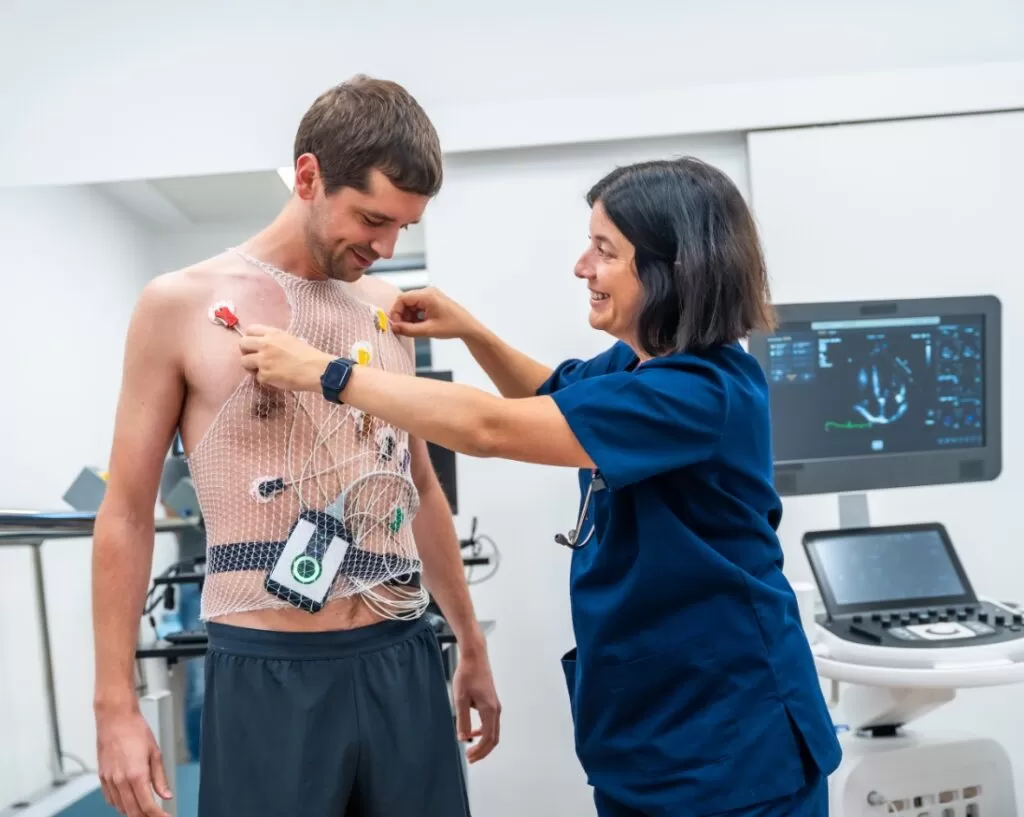
A stress ECG team consists of healthcare professionals who conduct and monitor exercise stress tests. This team typically includes technicians or nurses who attach ECG leads, operate the treadmill or
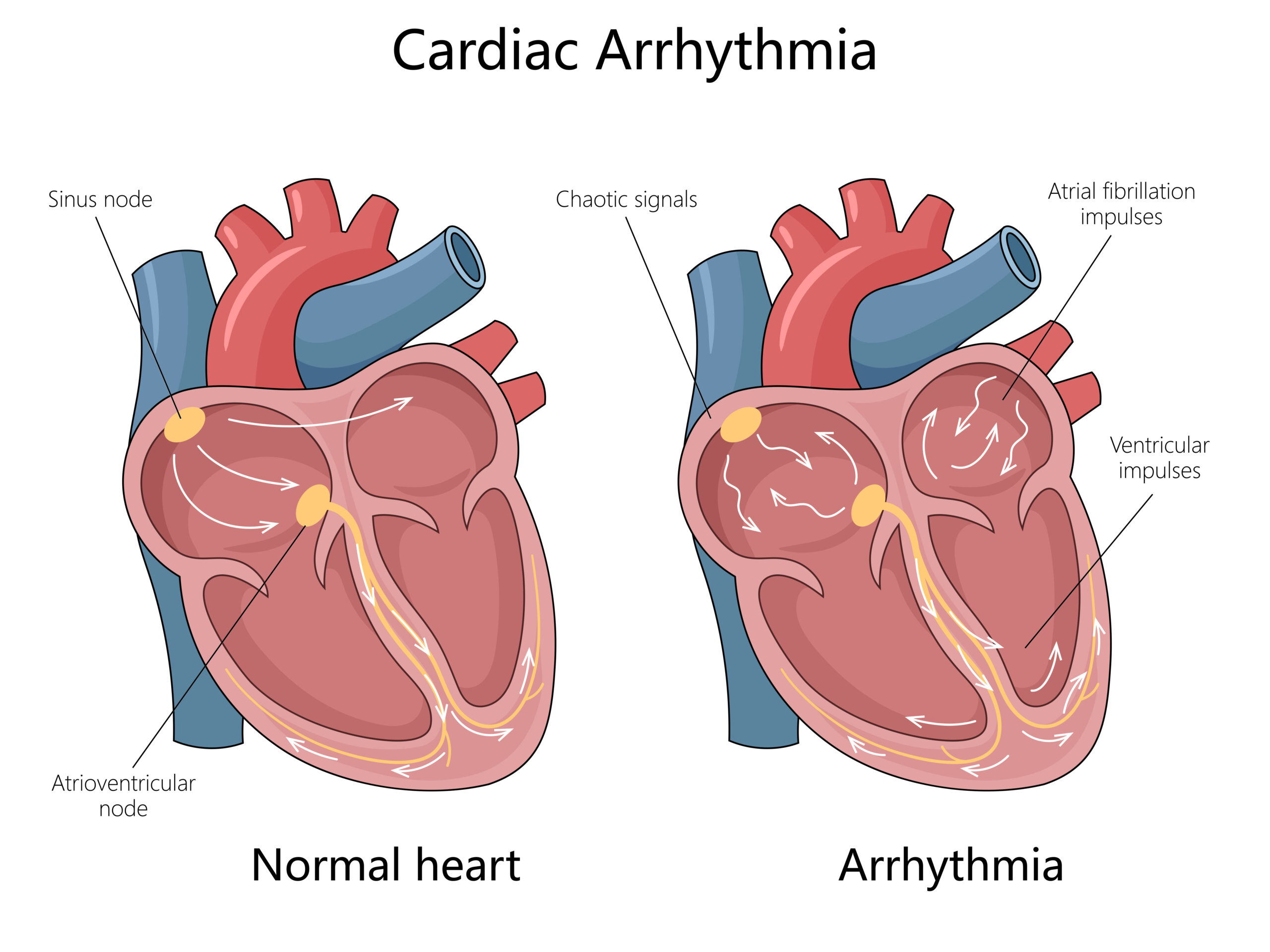
Depending on severity, treatments include medications (beta-blockers, anti-arrhythmic drugs), lifestyle changes, catheter ablation, or implantation of a pacemaker.
Balloon angioplasty, often with stenting, opens the narrowed renal artery, restoring adequate blood flow and helping control blood pressure.
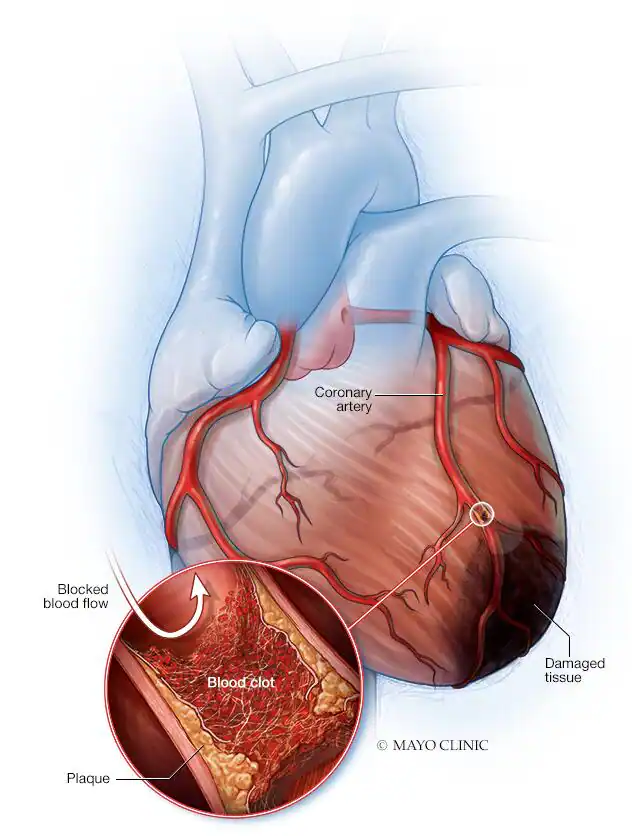
A balloon-tipped catheter is used to widen the blocked artery, often followed by placing a stent to keep it open and restore proper blood flow.
A balloon-tipped catheter is used to widen the blocked artery, often followed by placing a stent to keep it open and restore proper blood flow.
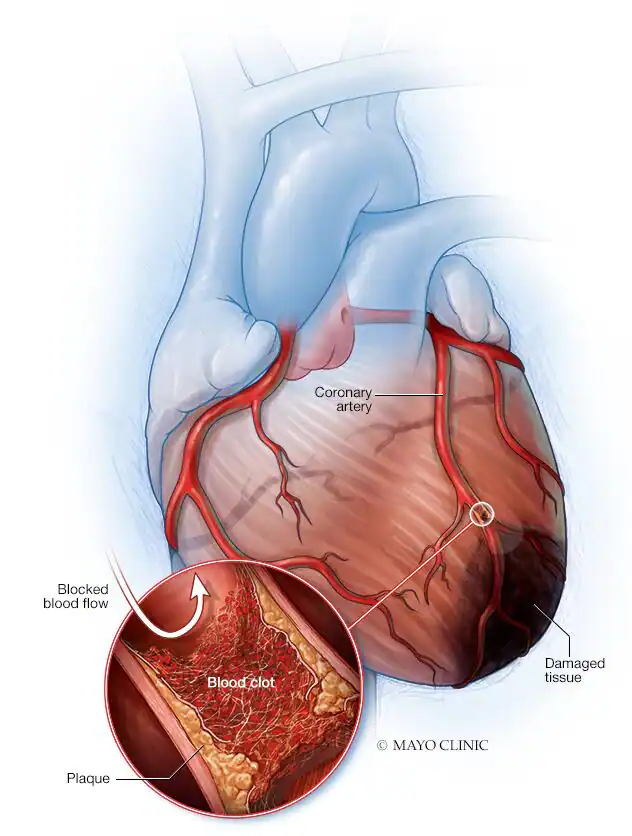
Angioplasty widens the affected arteries, sometimes with stent placement, improving blood flow and relieving symptoms.
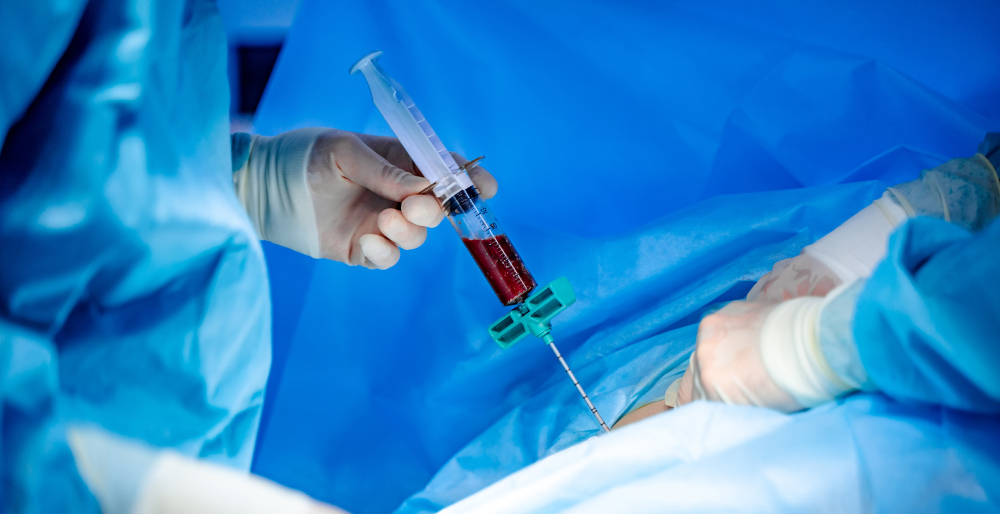
Balloon angioplasty, often with stenting, opens the narrowed renal artery, restoring adequate blood flow and helping control blood pressure.
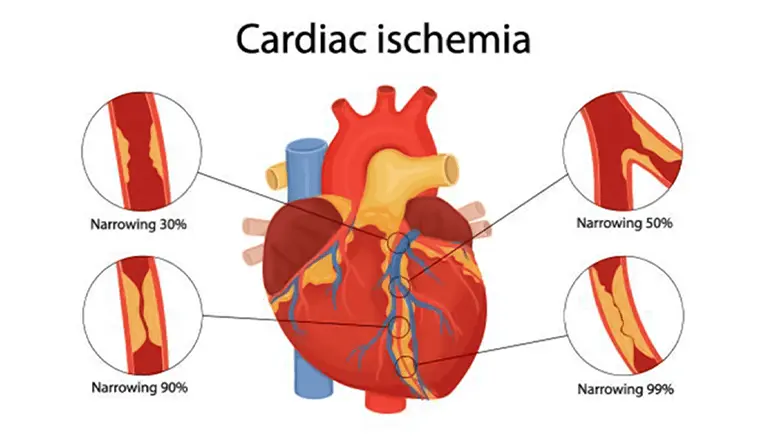
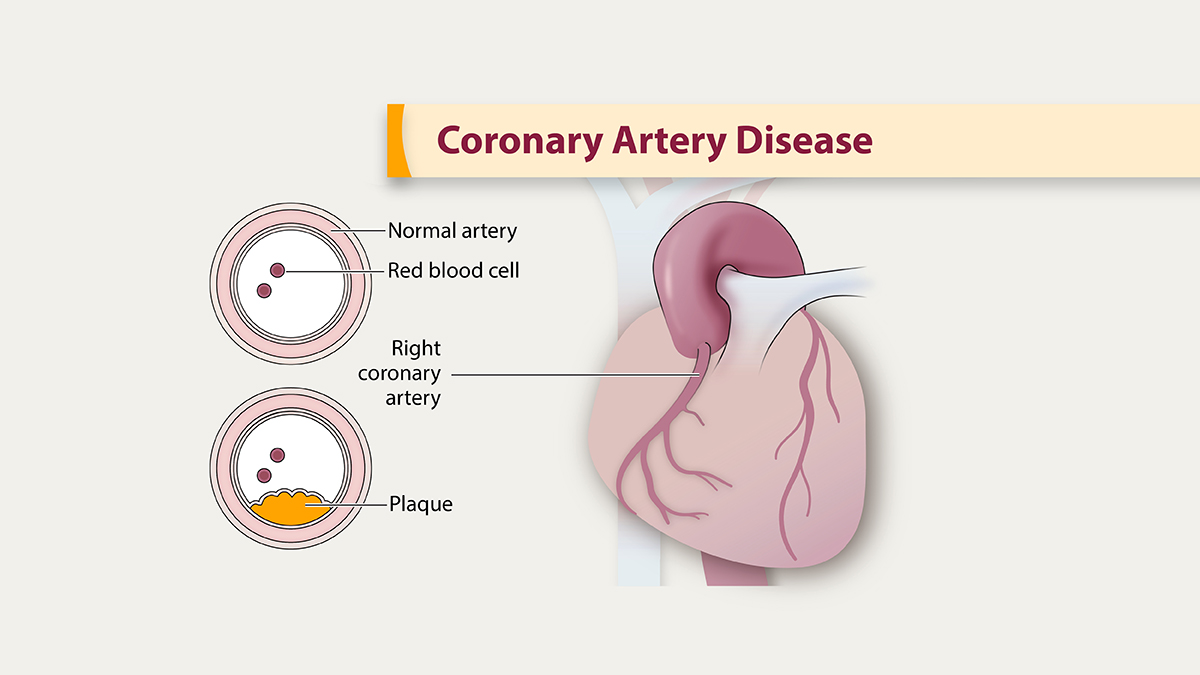
Lifestyle modifications, medications (nitrates, beta-blockers, statins), and procedures like angioplasty or coronary artery bypass surgery are used to restore proper blood flow.



श्री टी.एन. झा

श्री अशोक सिंह

Grandmother

Mr. Maharaj Singh

Mr. P Sharma

Mr. Sudhir Gupta

Mr. M.J. Rehman
श्री टी.एन. झा
श्री अशोक सिंह
Grandmother
Mr. Maharaj Singh
Mr. P Sharma
Mr. Sudhir Gupta
Mr. M.J. Rehman
An echocardiogram is a non-invasive ultrasound test that uses sound waves to create images of the heart. It helps assess heart structure, function, and blood flow, detecting issues like valve problems, heart chamber enlargement, and heart muscle weakness.
An echocardiogram is a non-invasive ultrasound test that uses sound waves to create images of the heart. It helps assess heart structure, function, and blood flow, detecting issues like valve problems, heart chamber enlargement, and heart muscle weakness.